The Audiology Offices discusses Hearing Loss as it relates to the risk factors of Alzheimer’s, Dementia and Cognitive Decline

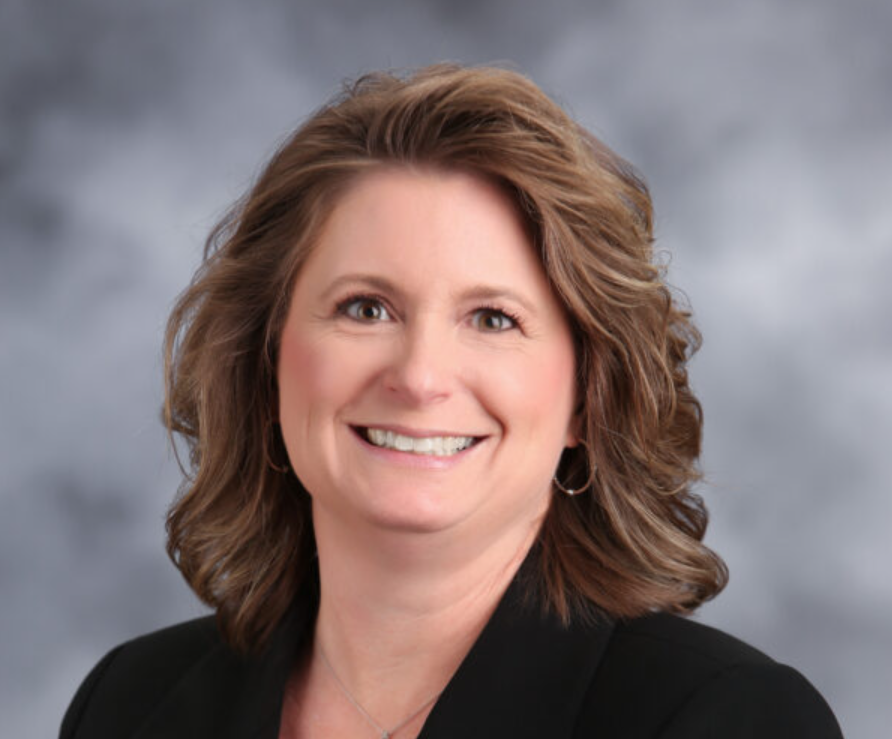
June is observed as Alzheimer’s and Brain Awareness Month. The Audiology Offices supports raising awareness of and challenges associated with Alzheimer’s, dementia and cognitive decline. Dr. Ann DePaolo Wietsma, audiologist and owner describes the beginning research.

Fifteen years ago, Dr. Frank Lin from the Johns Hopkins Bloomberg School of Public Health published the findings of a landmark study identifying the association of hearing loss and increased risk of cognitive decline. The study enlisted 600 participants. After taking several tests to determine their mental and hearing abilities between 1990 and 1994, their mental abilities were tracked until 2008. During this time, scientists were also watching for signs of Alzheimer’s disease or dementia in these people. A third of the individuals had some hearing loss, whereas the rest had no issues hearing. At the outset of the trial, none of the participants had dementia.

The researchers determined that those who had hearing loss at the start of the trial were considerably more likely to develop dementia, with the severity of the hearing loss indicating a higher risk of dementia. Dr. Frank Lin of Baltimore calculated that every 10 decibels of hearing loss increased the risk of dementia by 20%. Hearing loss was connected with 36% of dementia risk in persons 60 years or older.

The 2024 Lancet Commission on Dementia identified untreated hearing loss as the single largest modifiable risk factor for dementia, accounting for 7% of global cases. Addressing this factor, particularly during midlife, involves targeted strategies and evidence-based interventions. According to the report, actively mitigating hearing loss can lower cognitive decline. Key actionable approaches include: early midlife intervention.  The report emphasizes addressing hearing loss during midlife (ages 45–65). Taking preventive and adaptive steps early yields the highest long-term cognitive protection.  Evidence strongly suggests that using hearing aids significantly mitigates excess risk. The use of hearing aids is notably effective in individuals who have hearing loss combined with other health risk factors for dementia. Because dementia risk factors often cluster together, combining hearing aid usage with sustained exercise and cardiovascular health optimization offers synergistic benefits.

The Commission notes that untreated hearing loss forces the brain to overwork to process sound, which diverts resources away from memory and executive functions. Furthermore, hearing loss often leads to social isolation, a well-established catalyst for cognitive decline.

Research studies continue to investigate if hearing aid usage can slow down cognitive decline. The ACHIEVE study co-authored by Dr. Frank Lin, found that in older adults at increased risk for cognitive decline, hearing intervention slowed down loss of thinking and memory abilities by 48% over 3 years.  While this study had a small sample of participates studied over a short time, these results are promising, states Dr. Wietsma. She notes more scientific evidence is needed to investigate how the hearing aids and counseling provided the cognitive benefit, and to understand the longer-term benefits of the hearing intervention.

Being able to hear and communicate with family and friends is essential for connecting with others and our environment. Even with mild hearing decline, individuals may begin to withdraw from social interactions due to embarrassment or negative self-perceptions.  To stay proactive about your health, Dr. Wietsma encourages everyone to schedule a baseline hearing exam starting at age 50.


About The Audiology Offices

Since 2001, The Audiology Offices has provided comprehensive hearing health care solutions to children and adults throughout the Northern Neck and Middle Peninsula areas of Virginia. With offices in Kilmarnock, Gloucester, and Warsaw, our expert team offers a full range of services, including:

– Hearing and tinnitus evaluations

– OSHA-mandated testing

– Selection and fitting of over-the-counter and prescription hearing devices

– Free hearing screenings at community health fairs

We are your dedicated hearing health solution center. For more information or to schedule an appointment, please contact us at 1-800-555-5923