Are Headphones and Earbuds Damaging My Hearing?
If you drive the Northern Neck or Middle Peninsula, past farmland and


By: admin | June 25, 2026
Life on the Northern Neck comes with plenty of different listening environments. You might spend one day at a waterfront restaurant, a marina or a community event where conversations overlap from every direction.
Most of those situations sound very different from a quiet exam room. A hearing test provides valuable insight, but it captures hearing in just one setting at one point in time.
Modern audiology looks beyond the test itself. Hearing device data and your own observations help fill in details that a hearing test can’t capture on its own.
Together, this shows how you’re hearing in everyday situations. It also helps guide device adjustments and follow-up care over time.
A hearing assessment gathers data from several parts of the appointment. Some of it comes from the hearing test itself, including which sounds were heard and at what volume.
Some comes from speech testing, ear examinations and conversations about your hearing history. An audiologist may also ask about work environments, hobbies and situations where hearing seems different than it used to.
Each piece adds something different. Test results show how your ears responded during the evaluation.
Your answers provide context that can’t be measured by testing alone. When those details are reviewed together, they offer a clearer view of what was happening during the appointment and what the results represent.
Medical history provides context for hearing test results. Hearing is connected to many other parts of the body, so past and current health conditions can affect what an audiologist sees during an evaluation.
Conditions such as diabetes, heart disease, autoimmune disorders and certain infections may influence hearing over time. Previous surgeries, medications and family history can also add useful insight.
When these details are reviewed alongside hearing tests, they help explain patterns that might otherwise seem unrelated.
Modern audiology uses your results from several sources instead of relying on a single test. Medical history is one source of data, along with hearing evaluations, device information and follow-up records.
This gives audiologists more context about a person’s hearing experience across different situations and over longer periods of time.
For many years, hearing care depended largely on results gathered during appointments. Hearing tests, office visits and conversations about hearing experiences provided the foundation for decisions about care.
Those tools are still used today, but they capture only a small portion of what happens during daily life.
Most listening takes place in restaurants, workplaces, family gatherings, vehicles and other environments that aren’t part of a hearing evaluation.
Data-driven hearing care adds information from outside the clinic. Modern hearing devices can track details about listening environments, usage patterns and changes made over time.
That can be reviewed alongside hearing test results and patient feedback. Instead of relying only on what happened during a single appointment, audiologists can look at patterns gathered across many days of real-world use.
Personalized hearing care depends on understanding more than a hearing test score. Two people can have similar test results and still describe very different listening experiences.
One person may struggle most in restaurants, while another notices difficulty during group conversations or while talking on the phone. Those differences matter because they provide context that a hearing test alone can’t capture.
Data helps fill in some of those details. Knowledge from hearing devices can show how often they’re worn, which settings are used most frequently and the types of listening environments encountered throughout the week.
When it is reviewed alongside hearing test results and patient feedback, it can help explain how someone is using their hearing technology.
That allows hearing care to be based on individual listening habits rather than assumptions about how a person hears in daily life.
Many modern hearing devices can keep track of how they’re used throughout the day. That can show patterns that are difficult to identify from memory alone.
It may reveal how hearing devices are used in different listening environments and whether certain settings are adjusted more often than others.
Looking at these details can provide additional context during follow-up appointments.
Specifically, your devices can track:
Dishes clattering in a restaurant may draw too much attention. Some people notice that their own voice sounds different from what it was.
These details won’t appear on a hearing test, but they can affect how hearing aids feel during use.
Feedback is also highly personal. One person may be bothered by wind noise outdoors. Another may be more focused on hearing family conversations around the dinner table.
The same hearing aid settings won’t feel the same to everyone because people use their hearing in different ways. That’s one reason personal observations remain an important part of the adjustment process.
Your lifestyle doesn’t stand still, and neither should your device programming. As your daily routines evolve, your settings can be updated to match the environments where you spend the most time.
Those environments may change as your work, family life, hobbies or social routines change. A setting that worked well months ago may not reflect how you’re listening now.
If data reveals you rarely use a specific feature but frequently struggle in crowds, an audiologist can reallocate your device’s processing power to prioritize speech clarity. That kind of information helps you understand how your devices are being used outside the office.
It also helps your audiologist see which settings support your daily listening needs and which ones may need more attention.
Technology moves quickly, too. Software updates and new assistive accessories are introduced constantly. These changes can affect how your devices connect, process sound or support you in specific listening environments.
Remote monitoring and follow-up appointments help extend hearing care beyond the initial fitting or office visit. Hearing needs can change over time, and new questions often arise during daily device use.
Ongoing contact allows audiologists to understand how hearing aids are performing in real-world situations. It also helps connect what happens during appointments with the experiences people have at home, work and social gatherings.
Follow-up care provides a broader view of how hearing, communication needs and device use change after a while.
Challenges may appear gradually and may not be fully reflected during a single office visit. Regular check-ins and remote monitoring can help track these changes as they occur.
This creates a more complete picture of a person’s hearing experience between appointments. Hearing care becomes an ongoing process rather than something limited to occasional visits.
Protecting privacy and security when sharing hearing data is often part of the hearing care experience. Hearing records can include test results, device settings, appointment history and details about daily communication challenges.
Many people want to know who can access their records and when those details may be shared.
Privacy practices help define how personal hearing data is collected, stored and used throughout the course of care. They also influence how comfortable someone feels discussing hearing concerns and sharing details that may be relevant to treatment.
Security focuses on protecting hearing data from unauthorized access while it is stored or transmitted. This can involve data shared through hearing aid apps, patient portals, remote appointments and other connected technologies.
As more aspects of hearing care become digital, personal data may move between devices, audiologists and healthcare systems. Privacy and security are closely connected, but each addresses a different part of managing personal hearing records.
The more we know about how you’re hearing each day, the more accurately we can adjust your care. That isn’t a one-time process.
It develops over time as your hearing changes and your listening environments shift. We also learn more about what’s working and what isn’t.
Bringing that information into your appointments helps make those conversations more productive. It also allows your care to reflect your specific experiences and needs.
At The Audiology Offices, our audiologists can take a closer look at how your hearing is holding up where you spend your time. You can reach us at any of our locations in Virginia, Gloucester at (804) 791-5011, Kilmarnock at (804) 567-7005 and Warsaw at (804) 494-6080.

If you drive the Northern Neck or Middle Peninsula, past farmland and
By: admin | July 26, 2026
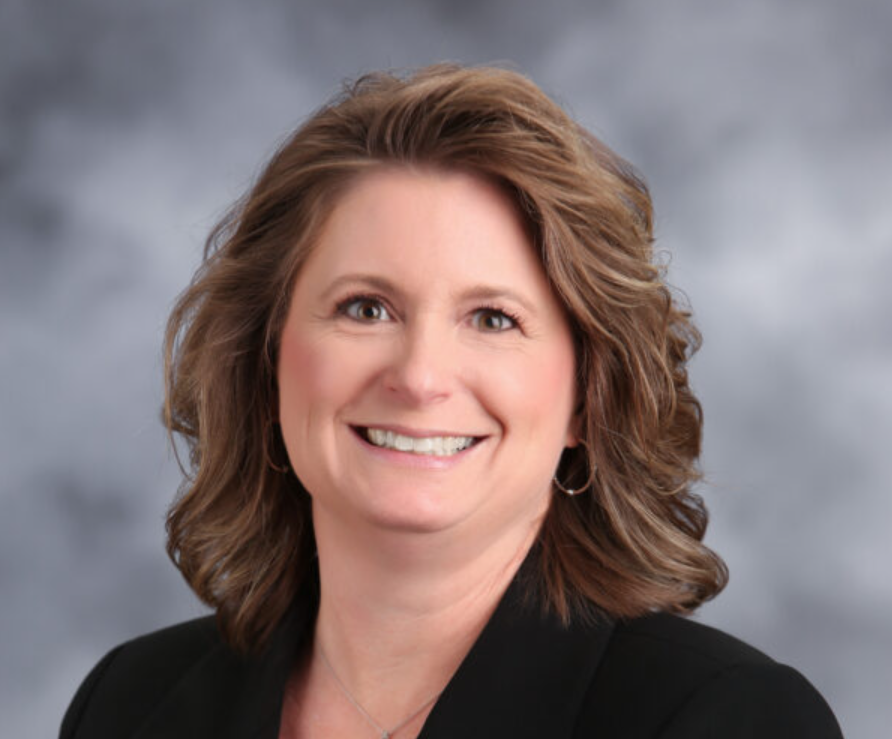
I’m Janie Anderson, a licensed, Board Certified Hearing Instrument
By: admin | July 24, 2026
Life on the Northern Neck comes with plenty of different listening
By: admin | June 25, 2026